
Filters
Price Range
From
To
Brand
Availability
Peripherals » Thermal Pads & Thermal Paste
Shop thermal paste and thermal pads in Pakistan for CPUs, graphics cards, laptops, and other compatible components. Compare thermal compounds, pad thicknesses, application requirements, specifications, and prices to choose the right thermal interface material for your cooling setup.
15 Products
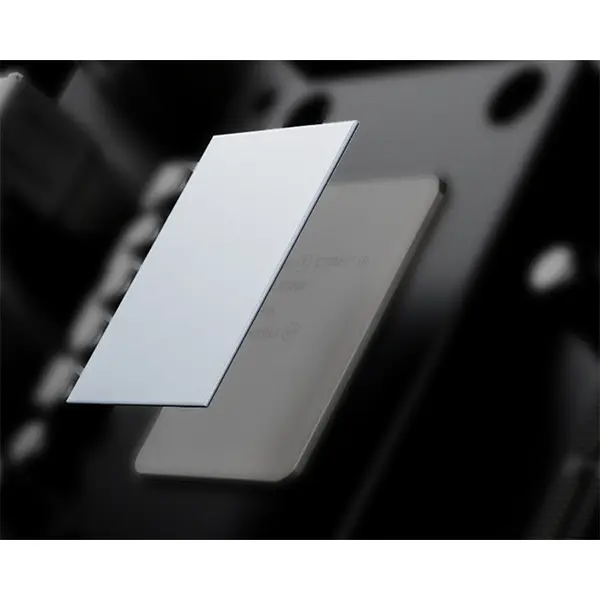
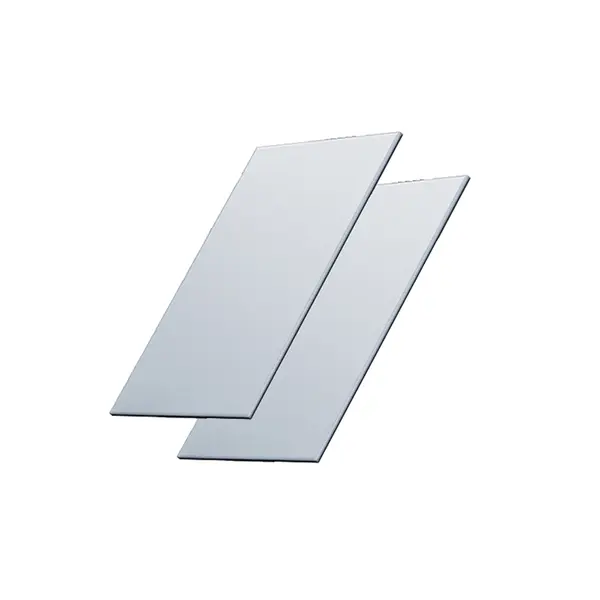
Quick view
Rs. 2,000
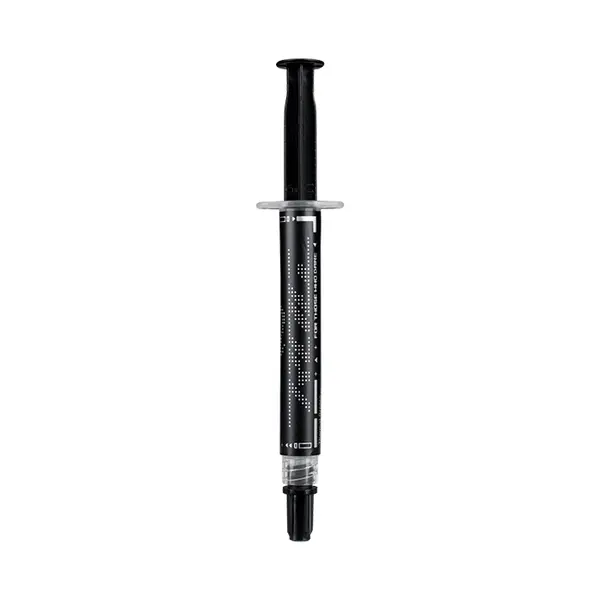
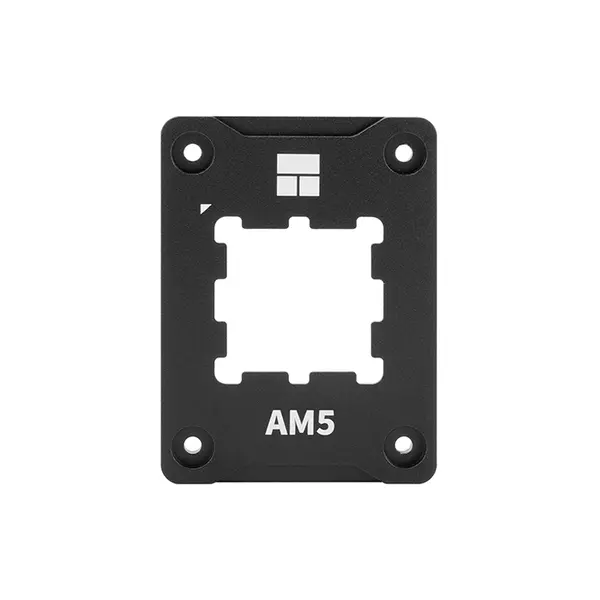
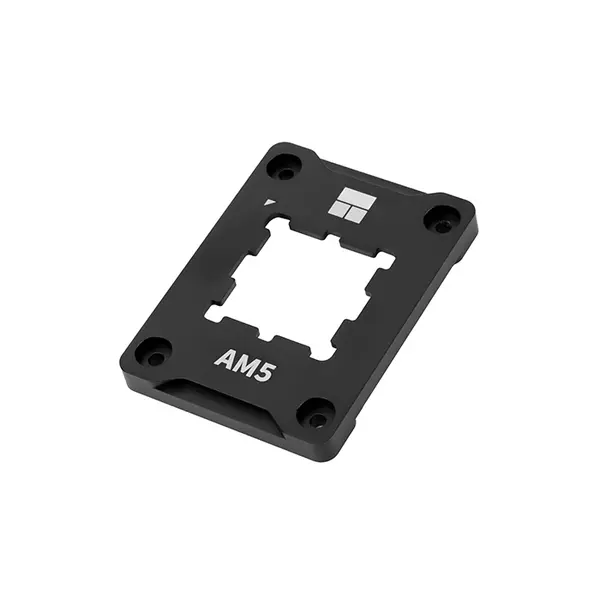
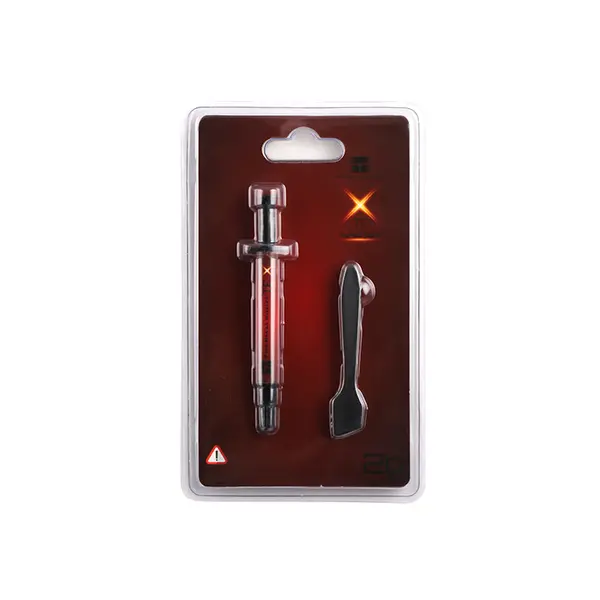
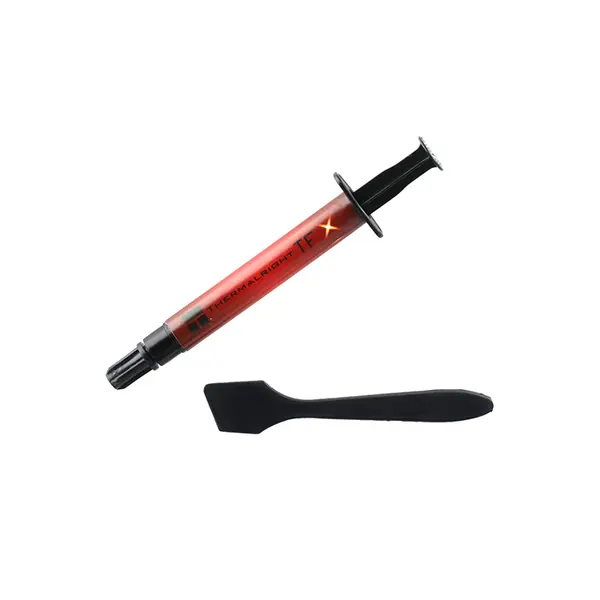
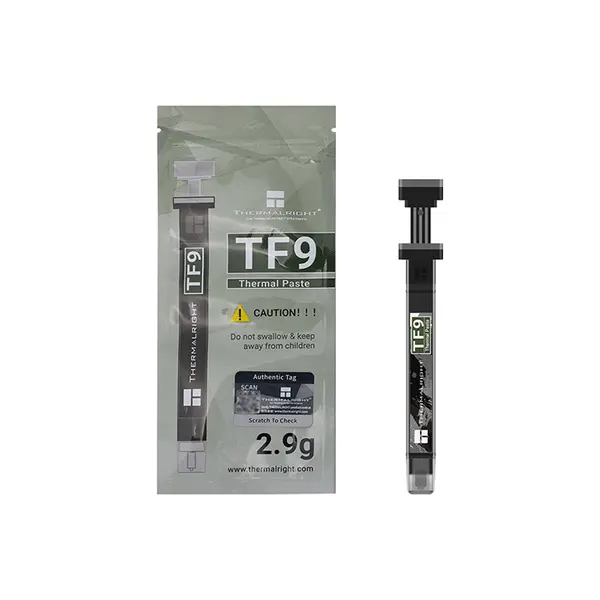
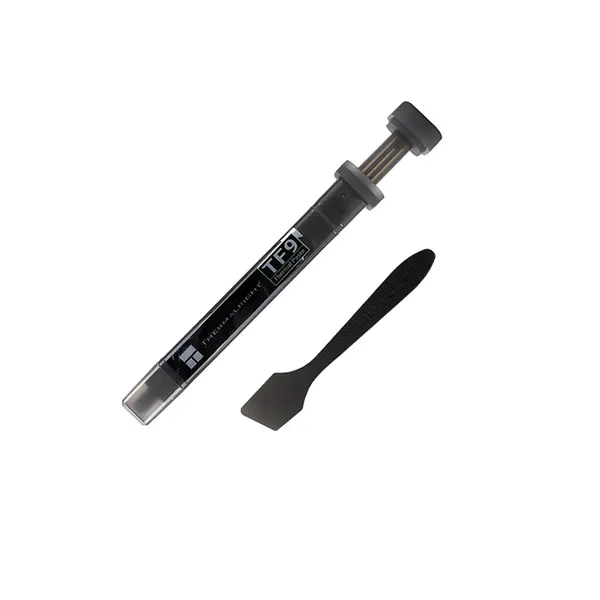
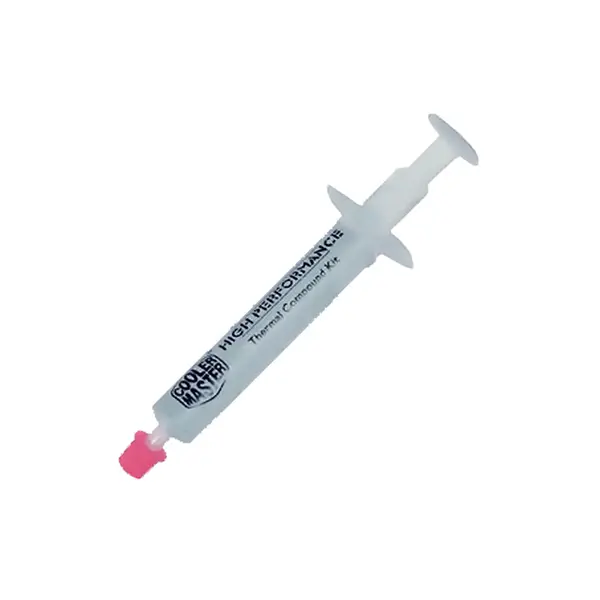
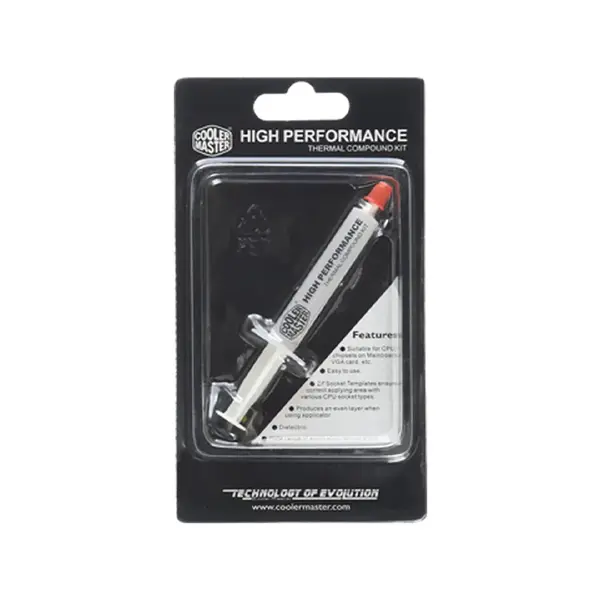
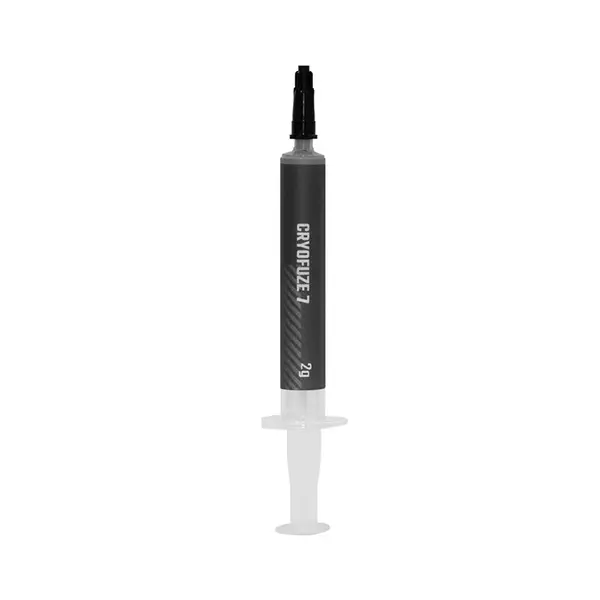
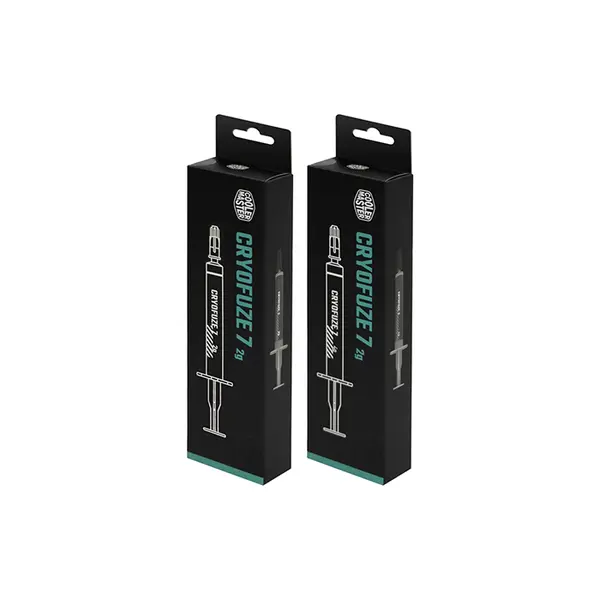
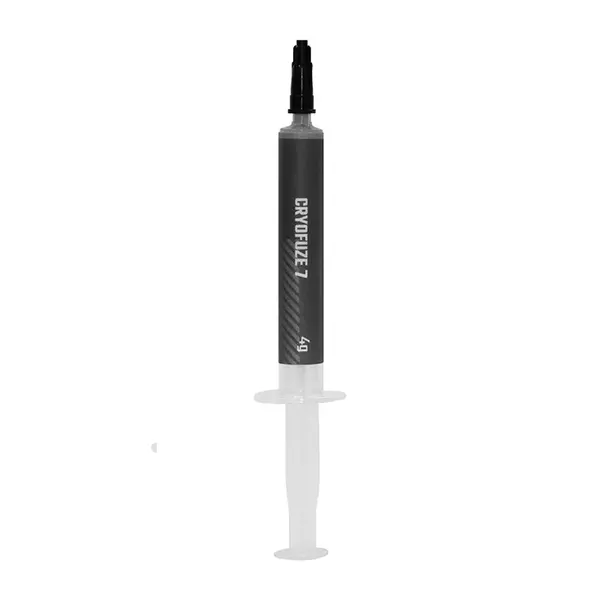
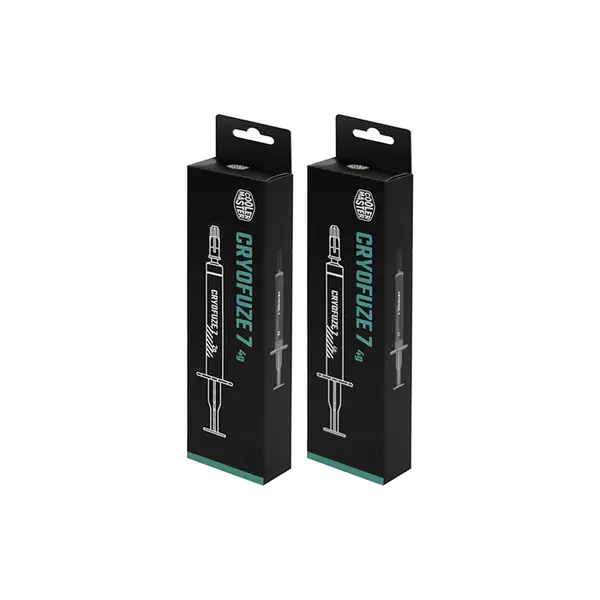
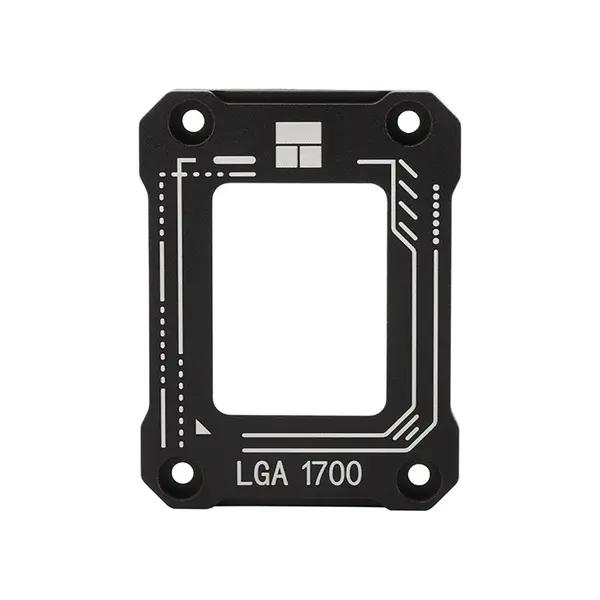
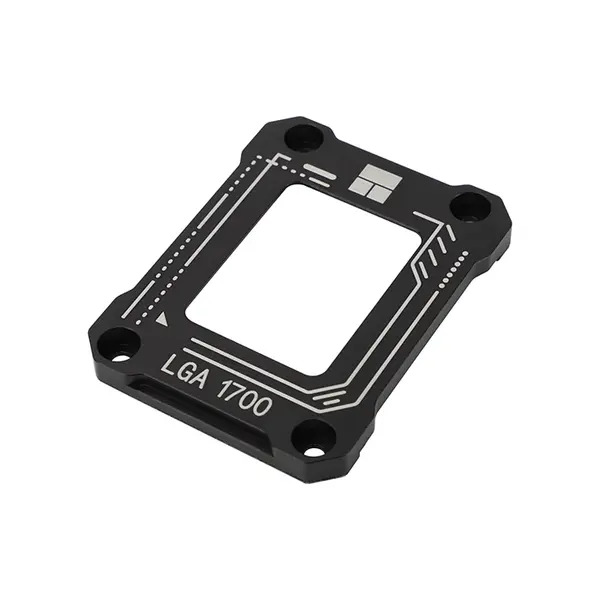
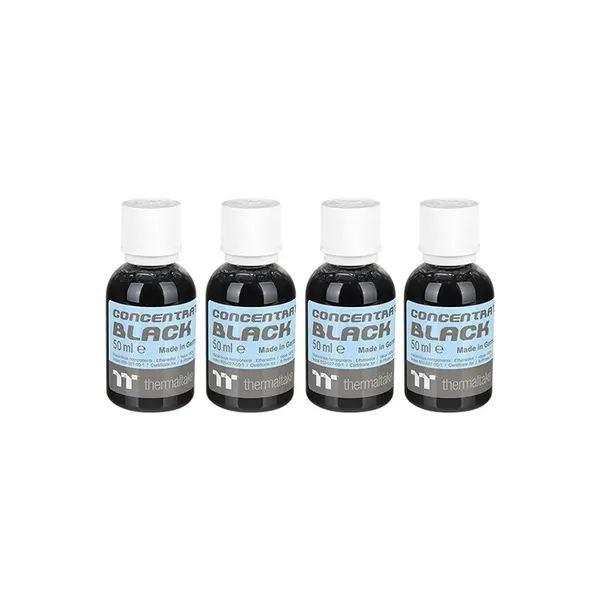
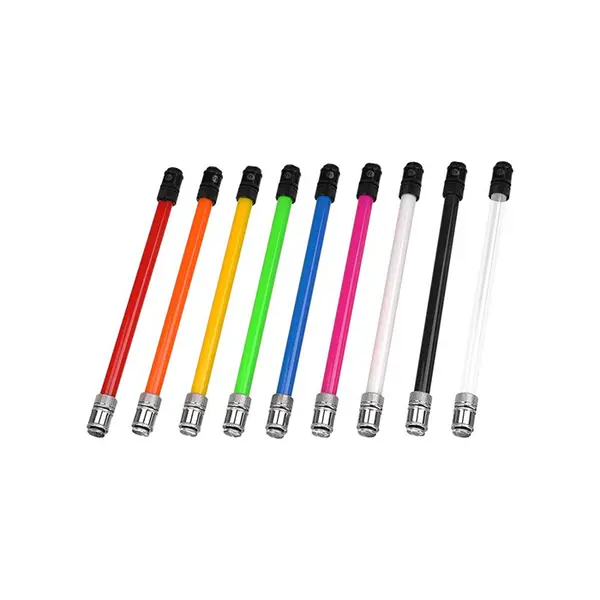
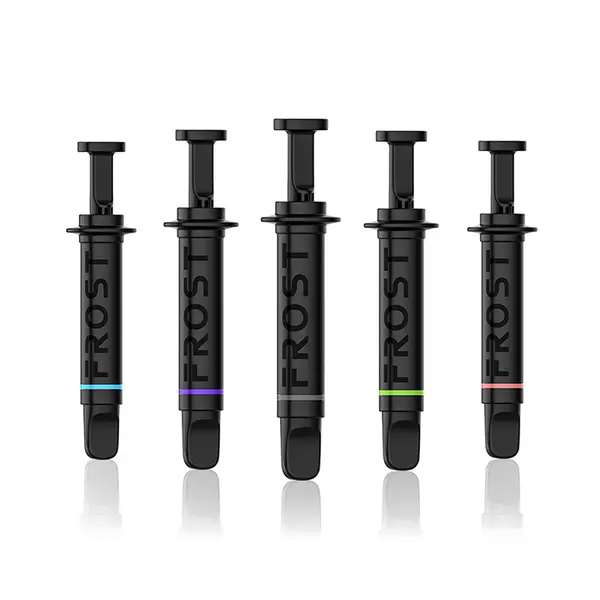

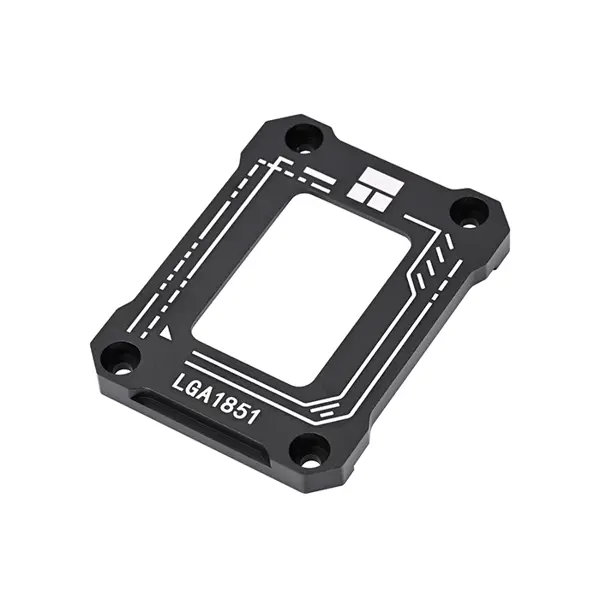
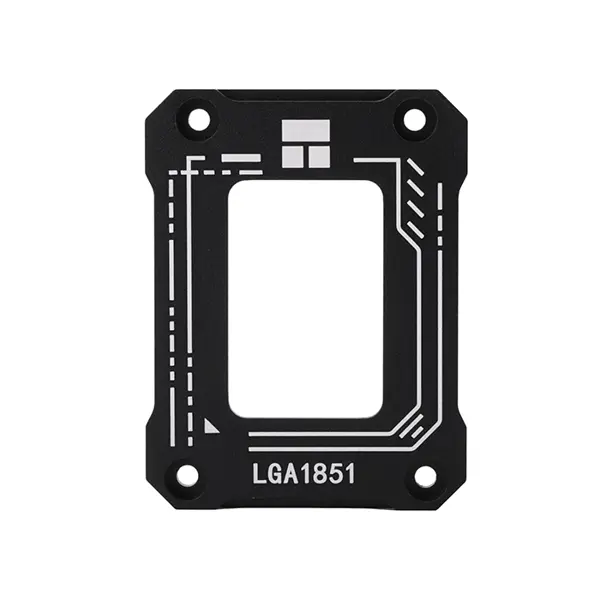
Thermal Paste & Thermal Pad Price in Pakistan
Compare thermal paste and thermal pad prices in Pakistan for PC building, cooling maintenance, component servicing, and thermal-interface replacement. Available products can vary in compound type, thermal properties, electrical characteristics, quantity, pad thickness, dimensions, and intended application. Always check the requirements of the component and cooling hardware before choosing a thermal interface material.
Thermal Interface Materials for PC Cooling
Thermal interface materials are used between compatible heat-generating components and cooling surfaces to improve thermal contact by filling microscopic surface irregularities or physical gaps. The appropriate material depends on the component, cooler design, required gap, mounting pressure, and manufacturer's specifications. Thermal paste and thermal pads should not automatically be treated as interchangeable.
Thermal Paste for CPUs
Thermal paste is commonly used between a processor and compatible CPU cooler where the cooler is designed for direct contact through a thin thermal-interface layer. Application method and required quantity can vary by processor, cooler, and compound. Follow the thermal paste and cooler manufacturer's instructions rather than applying an unnecessarily thick layer.
Thermal Paste for Graphics Cards
Thermal compound may also be used at specific contact points within graphics card cooling assemblies. Servicing a graphics card requires more care than a normal CPU cooler installation because cooler construction, thermal pad placement, component heights, mounting pressure, and warranty conditions can vary considerably between models. Check model-specific requirements before disassembling or replacing thermal materials on a graphics card.
Thermal Pads
Thermal pads are compressible interface materials commonly used where a physical gap must be bridged between a component and heatsink or cooling surface. Depending on the hardware design, they may be used around memory modules, power-delivery components, storage devices, or other heat-generating hardware.
Thermal Pad Thickness
Correct thermal pad thickness is particularly important. A pad that is unsuitable for the required gap can affect contact with the intended component or interfere with proper cooler contact elsewhere in the assembly. Do not estimate pad thickness from appearance alone. Check the exact hardware specifications or reliable model-specific service information before replacement.
Thermal Pad Dimensions & Cutting
Thermal pads may be supplied in different sheet dimensions, shapes, or pre-cut sizes depending on the product. Some sheets can be cut to the dimensions required by compatible hardware. When cutting a pad, match the required contact area without unnecessarily covering surrounding components, and follow the product and hardware manufacturer's instructions.
Thermal Conductivity Specifications
Thermal interface products may include thermal-conductivity ratings expressed in W/m·K or other specifications. These figures can be useful when comparing products, but they should not be considered in isolation because test methods, application thickness, mounting pressure, surface contact, and other conditions can affect actual thermal performance.
Electrical Conductivity & Application Safety
Thermal compounds differ in their electrical properties. Some materials may be electrically conductive or capacitive, while others are formulated to be electrically non-conductive. Check the manufacturer's specifications before application and avoid spreading thermal material onto unintended electrical components.
Replacing Thermal Paste
Thermal paste does not have one universal replacement interval. Service life depends on the compound, operating temperatures, mounting conditions, hardware, and usage. Replacement can be appropriate when removing and reinstalling a cooler or when troubleshooting thermal performance where the existing thermal interface may be a contributing factor.
CPU Cooler Installation & Thermal Paste
When installing an air CPU cooler or liquid CPU cooler, check whether thermal compound is already pre-applied to the cooling surface or supplied separately. If paste is already correctly applied by the manufacturer, adding another layer is generally unnecessary unless the manufacturer's installation instructions specify otherwise.
Thermal Materials for Laptop Maintenance
Some laptops use thermal paste, thermal pads, phase-change materials, or other thermal interfaces depending on their cooling design. Internal servicing can require model-specific disassembly procedures and correct material dimensions. Check the laptop manufacturer's service information where available before replacing thermal materials.
Choose the Right Thermal Paste or Thermal Pad
First identify where the thermal material will be used and what the hardware manufacturer specifies. For thermal paste, compare compound characteristics, quantity, application requirements, and electrical properties. For thermal pads, check required thickness, dimensions, compressibility, intended application, and other manufacturer specifications. Avoid replacing one type of thermal interface material with another unless compatibility has been established.
Buy Thermal Paste & Thermal Pads Online in Pakistan
Browse available thermal paste and thermal pads at Connect2Aryans and compare current prices, compound types, quantities, pad thicknesses, dimensions, specifications, and available products. Check your processor, graphics card, laptop, cooler, or other hardware requirements carefully before purchasing or replacing thermal interface materials.
Frequently Asked Questions About Thermal Paste & Thermal Pads
How often should thermal paste be replaced?
There is no universal replacement schedule. Thermal paste longevity varies according to the compound, hardware, temperatures, installation, and operating conditions. Replacement may be appropriate when a cooler is removed or when thermal-interface condition is relevant to troubleshooting unusually high temperatures.
What is the difference between thermal paste and thermal pads?
Thermal paste is commonly used as a thin interface between closely contacting cooling surfaces, such as a CPU and its cooler. Thermal pads are compressible materials commonly used where a larger physical gap needs to be bridged. The correct material depends on the hardware design.
How do I know what thermal pad thickness I need?
Use the thickness specified for the exact component or hardware assembly. Incorrect pad thickness can result in inadequate contact or interfere with other cooling surfaces, so it should not be guessed from appearance alone.
Can I use thermal paste instead of a thermal pad?
Not automatically. Thermal paste and thermal pads can serve different physical requirements, particularly where a pad is required to bridge a larger gap. Use the thermal-interface type specified for the component or cooling assembly.
Not sure which thermal interface material your hardware requires? Read our guide on choosing the right thermal paste or pad for more detailed buying advice.