
How to Spot Fake or Counterfeit DDR5 RAM Modules
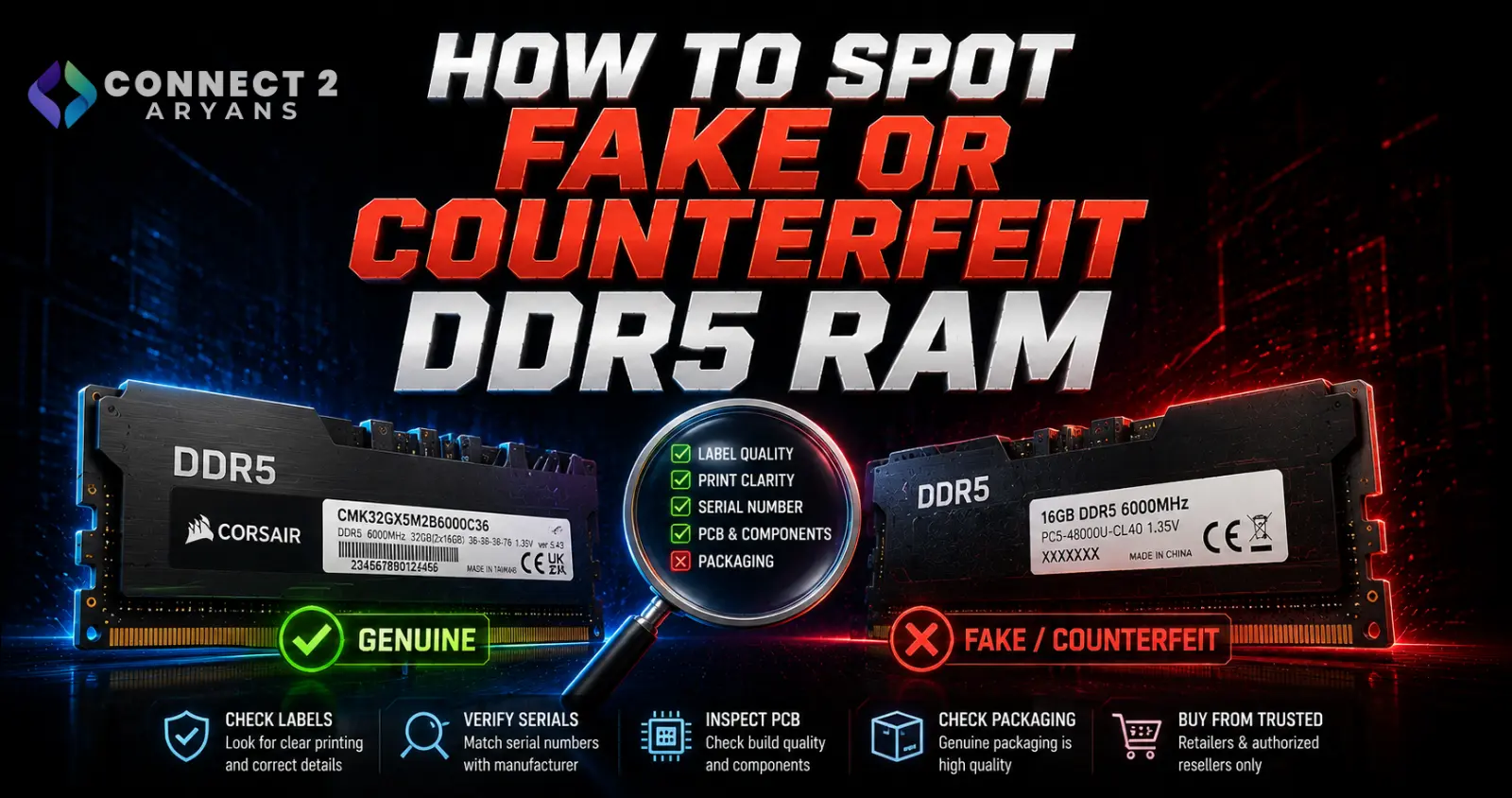
As RAM prices continue climbing through 2026's memory shortage, a genuinely concerning trend has emerged alongside it: counterfeit DDR5 modules using fake plastic chips designed to imitate real DRAM, sold through secondhand marketplaces and sometimes even appearing in "new" listings. Here's how to protect yourself.
What's Actually Happening
Reports have surfaced from multiple regions of DDR5 memory modules — particularly laptop SO-DIMM sticks, where chips sit exposed without a heatsink — being sold with real-looking labels and packaging, but containing chips made from plastic or fiberglass rather than actual functioning DRAM silicon. In some documented cases, buyers only discovered the fraud after cutting open a module that failed to work properly, finding no genuine silicon inside at all.
This isn't limited to obviously suspicious listings — some counterfeit modules have used cloned branding, serial number stickers, and packaging convincing enough to fool buyers at a glance, including modules mislabeled as one manufacturer's product while using signs of an entirely different (also potentially fake) origin.
Why This Is Happening Now
Counterfeiting activity consistently rises whenever a component becomes scarce and expensive — and DDR5 memory pricing has surged dramatically due to the ongoing global memory shortage. As legitimate kits become significantly more expensive, the incentive for scammers to target buyers hunting for a "deal" grows accordingly.
Warning Signs to Look For
- Unusually rounded PCB edges on the module — genuine factory-manufactured boards typically have cleaner, more consistent edge cuts
- Lighter or inconsistent board color compared to genuine modules from the same manufacturer
- Mismatched branding — labels claiming one manufacturer (like Samsung) while the underlying chip markings or PCB design suggest a different, unrelated source
- A different-shaped PMIC (power management chip) than what's standard for the claimed manufacturer's genuine modules
- Exposed white substrate material visible around the edges of the memory chip packages, inconsistent with normal factory assembly
- Listings marked "untested," "for parts," or "as-is" — a common tactic that gives sellers plausible deniability if the module turns out to be non-functional
Why Desktop RAM Is Harder to Verify
- Laptop SO-DIMM modules are more vulnerable to visual counterfeiting since the chips sit exposed, making inspection possible
- Desktop DDR5 UDIMM modules, especially those with metal heatsinks (like RGB or performance-branded kits), are much harder to visually verify since the chips are completely covered — there's often no way to check without removing the heatsink or the module failing outright
How to Protect Yourself Before Buying
- Buy from established, reputable retailers rather than secondhand marketplaces, informal listings, or unusually discounted "new" offers — this remains the single most effective protection
- Be suspicious of pricing significantly below the current elevated market rate — given the genuine shortage, unusually cheap "new" DDR5 is a red flag rather than a lucky find
- Check for manufacturer anti-counterfeiting packaging updates — some brands have begun updating their packaging specifically to make authenticity easier to verify given the rise in counterfeit activity
- Test immediately after installation if buying from any source where authenticity isn't fully guaranteed — running a memory diagnostic test right away can catch a problem before you've used the system extensively
What to Do If You Suspect You've Received Counterfeit RAM
- Document the module with photos before contacting the seller or platform, including close-ups of the PCB edges, chip markings, and any labels
- If purchased through a marketplace with buyer protection, file a dispute promptly, since these protections often have time limits
- If purchased through a major retailer, their return/refund process should apply — retailers generally want counterfeit product identified and removed from their supply chain as much as buyers want a refund
Final Thoughts
Counterfeit DDR5 RAM is a genuine, documented, and growing problem directly tied to the current memory shortage — the safest protection isn't detective work after the fact, it's buying from established, reputable sellers in the first place rather than chasing unusually low prices during a period when genuine memory is expensive across the board.
Browse our full range of genuine Memory RAM from ADATA, Ease, TeamGroup, and Transcend on Connect2Aryans, backed by manufacturer warranty, with warranty support included.