
Filters
FILTER BY
Cougar
Price Range
From
To
Brand
Availability
CPU Cooler Type
CPU Cooler » Liquid CPU Coolers
Shop AIO liquid CPU coolers in Pakistan for gaming PCs, workstations, and high-performance builds. Compare 120mm, 240mm, 280mm, and 360mm AIO coolers, radiator sizes, fan configurations, socket compatibility, and prices to find a suitable cooler for your system.
6 Products
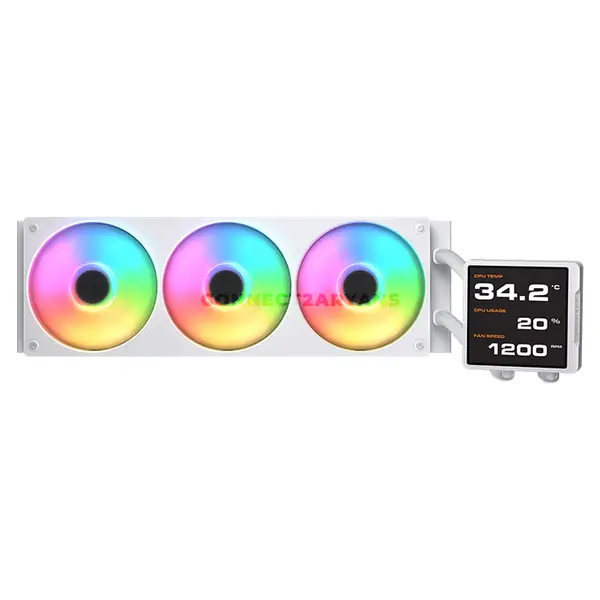
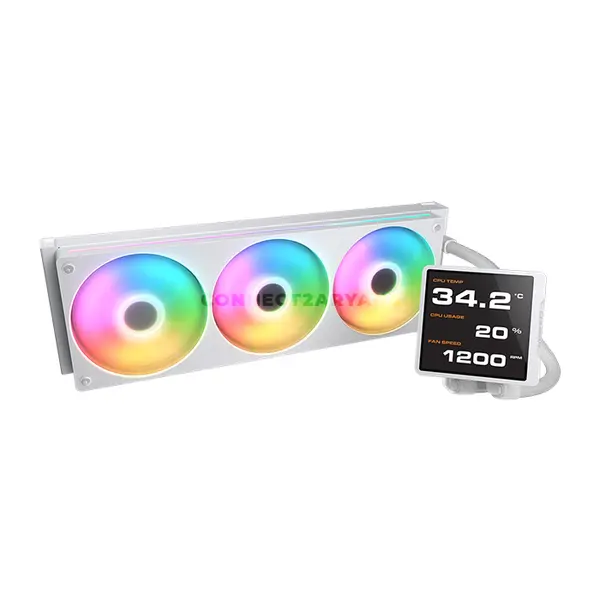
Quick view
Rs. 29,800
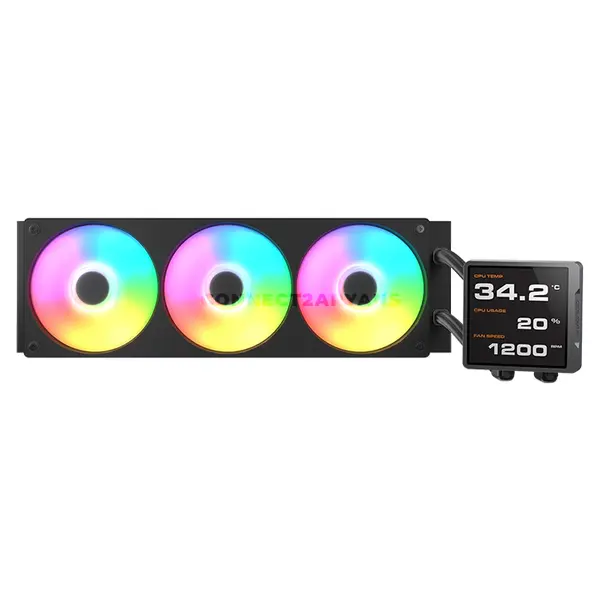
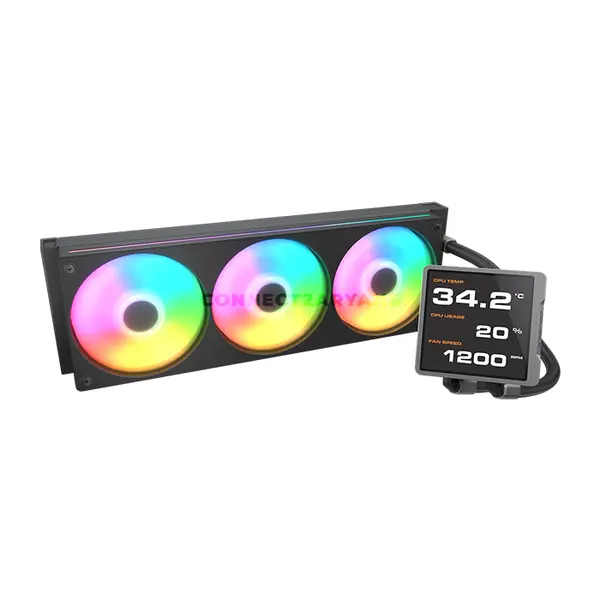
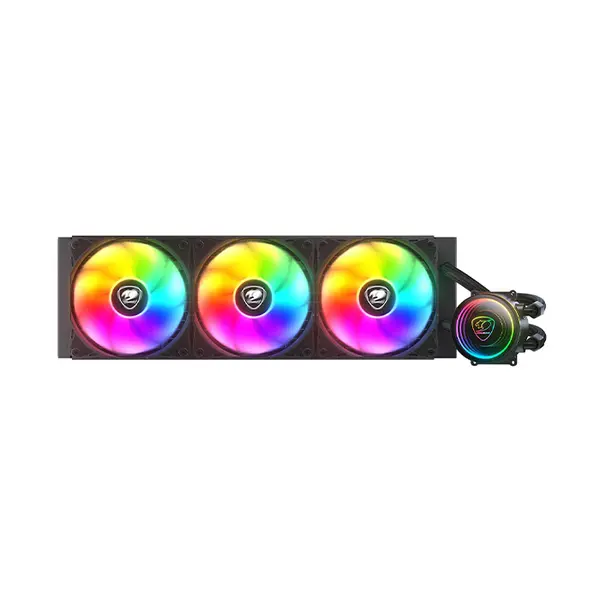
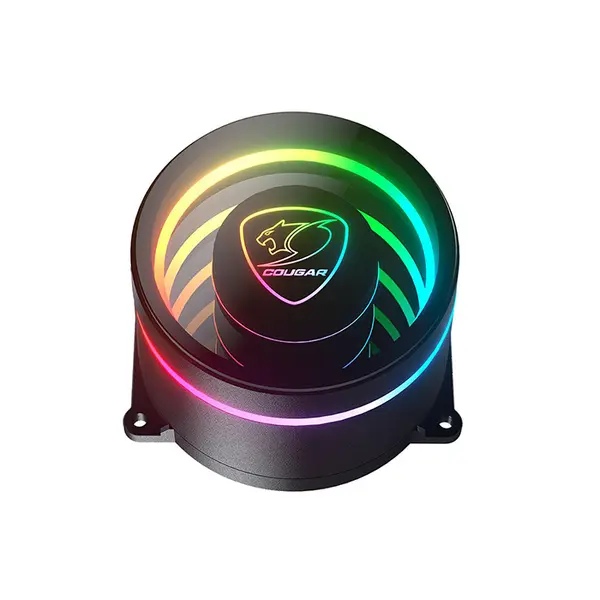
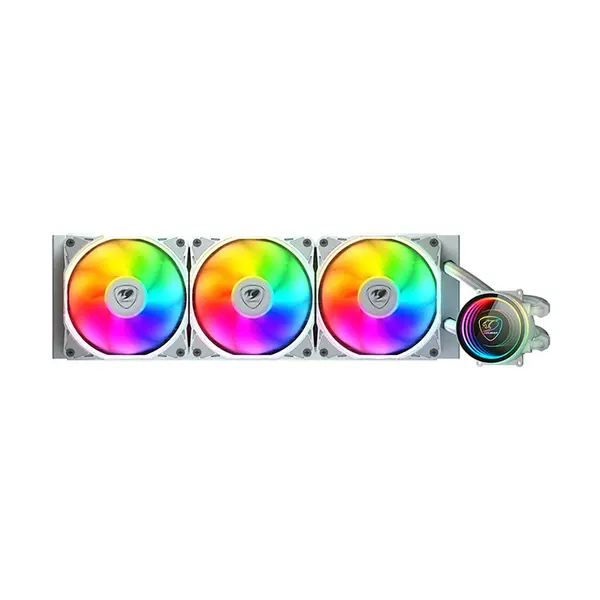
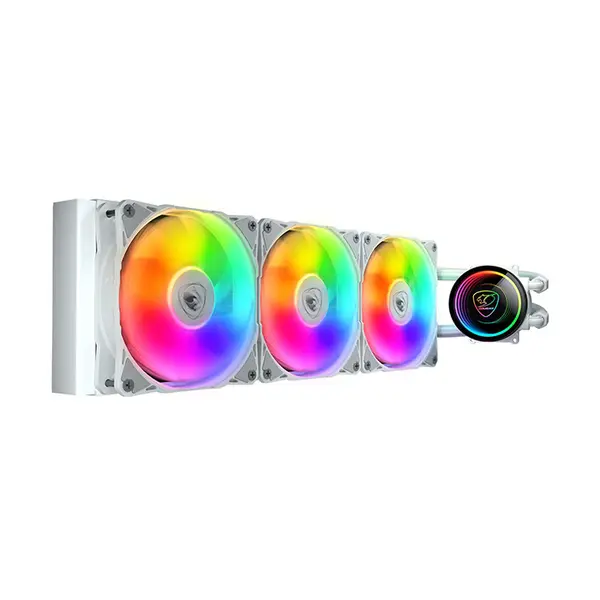
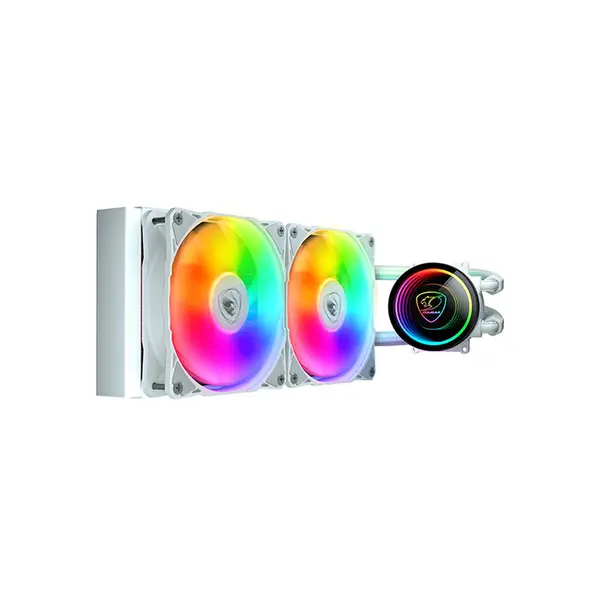
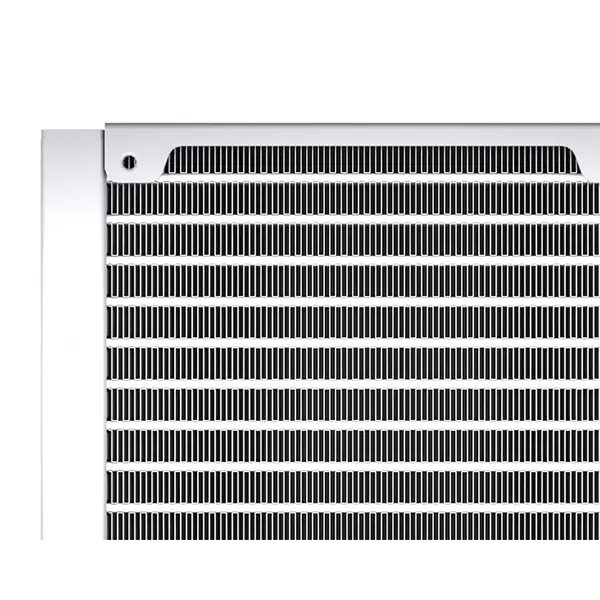
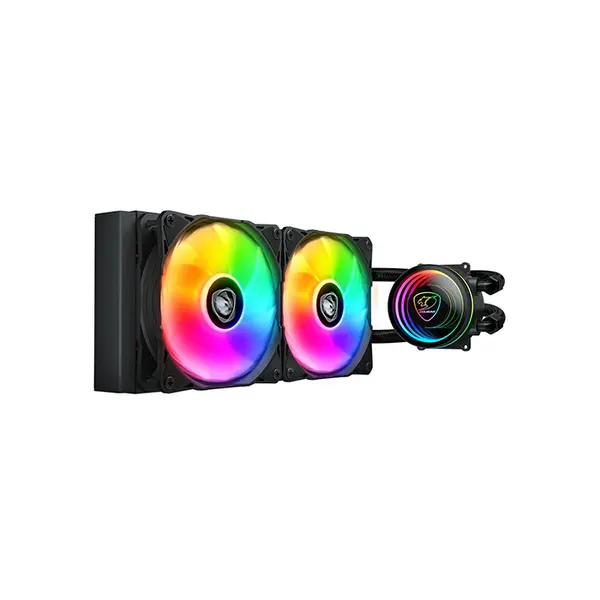
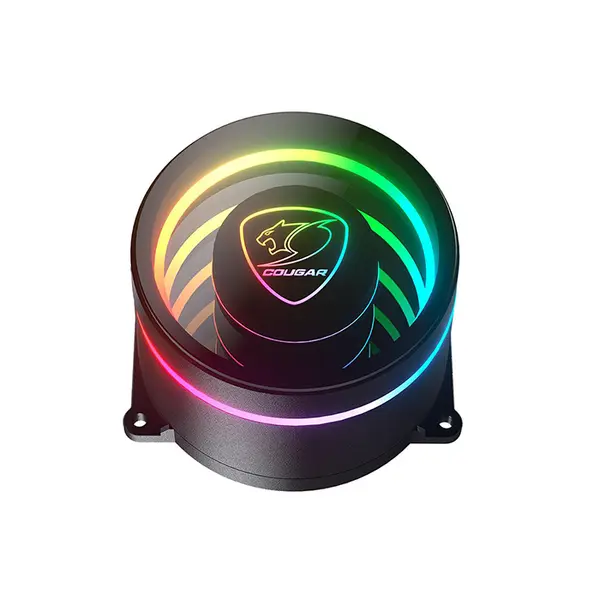
Liquid CPU Cooler Price in Pakistan
Compare liquid CPU cooler prices in Pakistan across all-in-one cooling solutions designed for gaming PCs, workstations, content creation systems, and performance-oriented builds. AIO coolers use a pump to circulate coolant between a CPU-mounted block and radiator, where fans help transfer heat into the surrounding airflow. Cooling capability varies between models, so choose according to your processor, workload, radiator support, case airflow, and compatibility requirements.
AIO Liquid CPU Coolers for Gaming & Performance PCs
AIO liquid coolers combine the pump, cold plate, tubing, radiator, and fans into a preassembled cooling system. Different models vary in radiator dimensions, pump design, fan configuration, noise characteristics, appearance, and cooling performance. An AIO should therefore be selected according to the requirements of the complete PC rather than simply whether the processor is classified as gaming or high-end.
120mm AIO Liquid Coolers
120mm AIO coolers typically use a radiator designed for a single 120mm fan. Their compact radiator format can make them an option for compatible systems with limited radiator mounting locations, but cooling capability varies between individual models. Compare actual cooler performance and your processor's requirements rather than choosing an AIO based on radiator dimensions alone.
240mm & 280mm AIO Liquid Coolers
240mm and 280mm AIO coolers provide larger radiator surface areas than typical single-fan designs and normally use two radiator fans. However, their dimensions and mounting requirements differ. Before purchasing, check whether your PC case supports the particular radiator length, width, thickness, fan configuration, and mounting position required by the cooler.
360mm AIO Liquid Coolers
360mm AIO coolers generally use radiators designed for three 120mm fans. Their larger dimensions require suitable mounting space and can create clearance considerations with the motherboard, memory, graphics card, case panels, or other hardware depending on installation location. A larger radiator does not by itself guarantee that one AIO will outperform another, so individual cooler design and performance should also be compared.
CPU Socket Compatibility
Before purchasing an AIO cooler, confirm that its mounting hardware supports your processor socket. Intel and AMD platforms use different mounting configurations, and compatibility can vary between cooler models and revisions. Check the manufacturer's supported socket list and ensure the required mounting hardware is included or otherwise available.
Radiator Size & PC Case Compatibility
Radiator support involves more than checking whether a case specification lists 120mm, 240mm, 280mm, or 360mm cooling. The radiator and its fans occupy physical space together, so mounting location, radiator thickness, fan thickness, motherboard clearance, RAM clearance, graphics card position, and other components may affect installation. Check the dimensions of both the AIO and case before purchasing.
AIO Fans, Pump & Cooling Performance
Overall AIO performance depends on multiple components and operating conditions, including the cold plate, pump, coolant loop, radiator, fans, fan speeds, pump settings, thermal interface, mounting pressure, case airflow, processor workload, and ambient temperature. Radiator size is therefore useful when comparing physical formats, but it should not be treated as the only measure of cooling capability.
AIO Cooling & Case Airflow
Radiator fans still depend on appropriate airflow through the computer. Their position can affect whether air is drawn into or exhausted from the case, while other cooling fans influence airflow around the graphics card, motherboard, storage, and other components. Consider the complete airflow configuration when deciding where an AIO radiator should be installed.
AIO Liquid Cooling vs Air Cooling
AIO coolers and air CPU coolers use different approaches to processor cooling and can differ in performance, acoustics, dimensions, installation, appearance, and price. Neither design is automatically superior for every PC. Compare specific cooler models according to processor requirements, available space, noise preferences, appearance, and the overall system configuration.
Choose an AIO Cooler for Your Processor
Start by checking the cooling requirements and operating configuration of your processor. Then compare socket support, radiator dimensions, case compatibility, fan configuration, noise characteristics, and individual cooler performance. If multiple radiator sizes fit your system, compare the actual models rather than selecting solely according to radiator size.
Buy AIO Liquid CPU Coolers Online in Pakistan
Browse available AIO liquid CPU coolers at Connect2Aryans and compare current prices, radiator sizes, fan configurations, socket compatibility, dimensions, and available models. Liquid CPU coolers are available for customers in Karachi, Lahore, Islamabad, Rawalpindi, Faisalabad, and other cities across Pakistan, with nationwide delivery options available.
Frequently Asked Questions About AIO Liquid CPU Coolers
Is an AIO liquid cooler necessary for my PC?
Not necessarily. The appropriate cooling solution depends on your processor, operating configuration, workload, case compatibility, temperature and noise requirements, and the performance of the coolers being considered. Both air and AIO cooling can be suitable depending on the system.
What AIO radiator size should I choose?
Choose a radiator size that physically fits your PC case and provides appropriate cooling for your processor. Check radiator and fan dimensions, mounting locations, component clearance, and individual cooler performance rather than selecting a size solely according to CPU category.
Is a 360mm AIO always better than a 240mm AIO?
No. A larger radiator provides additional potential heat-dissipation area, but overall cooling performance also depends on radiator design, fans, pump, cold plate, operating settings, airflow, and other factors. Compare specific cooler models when making a performance decision.
How do I know if an AIO cooler will fit my case?
Check the case's supported radiator locations and sizes, then compare the exact radiator and fan dimensions of the AIO. Also consider motherboard, RAM, graphics card, and case-panel clearance around the intended mounting location.
Not sure which liquid cooler suits your system? Read our guide on choosing the right liquid cooler for more detailed buying advice.