
Filters
FILTER BY
Cooler Master
Price Range
From
To
Brand
Availability
CPU Cooler » Air CPU Coolers
Shop air CPU coolers in Pakistan for gaming, everyday PCs, workstations, and custom builds. Compare single-tower, dual-tower, and low-profile CPU coolers, dimensions, fan configurations, socket compatibility, and prices to find a suitable cooler for your system.
3 Products
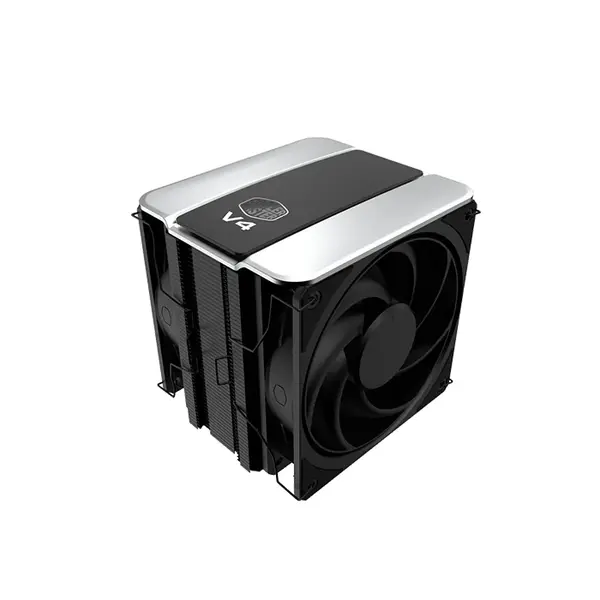
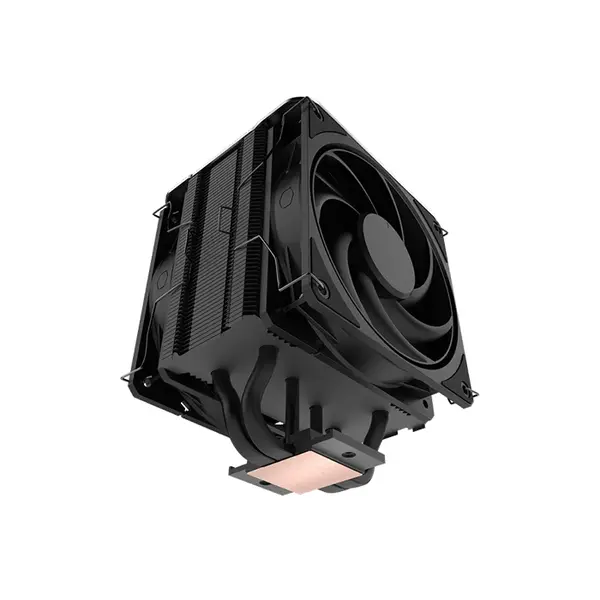
Quick view
Rs. 14,950
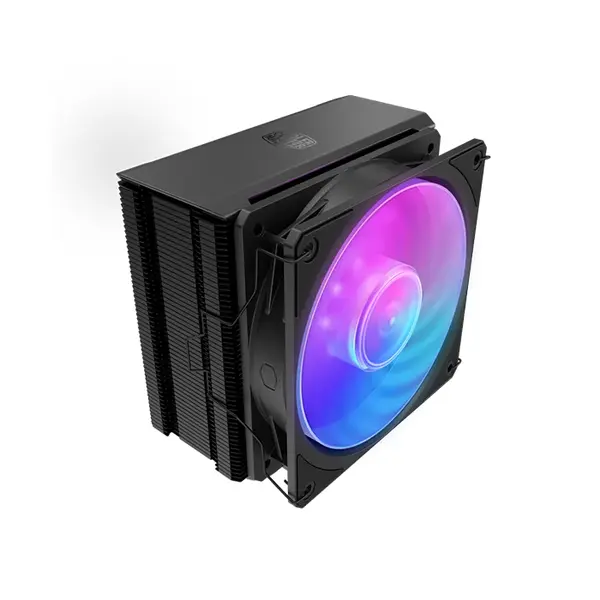
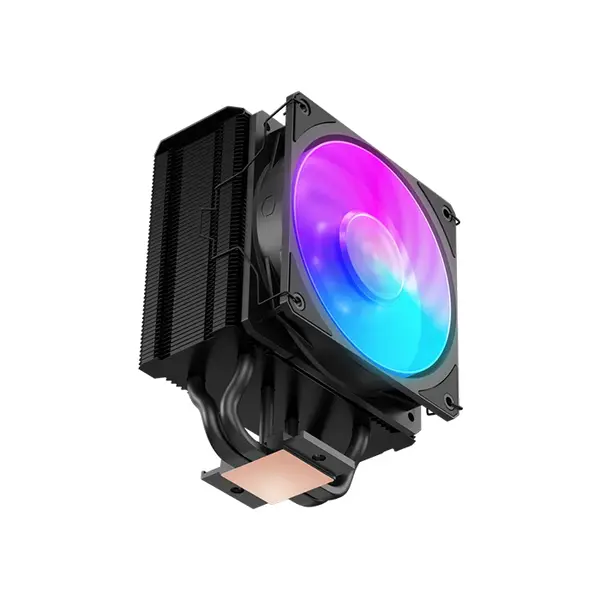
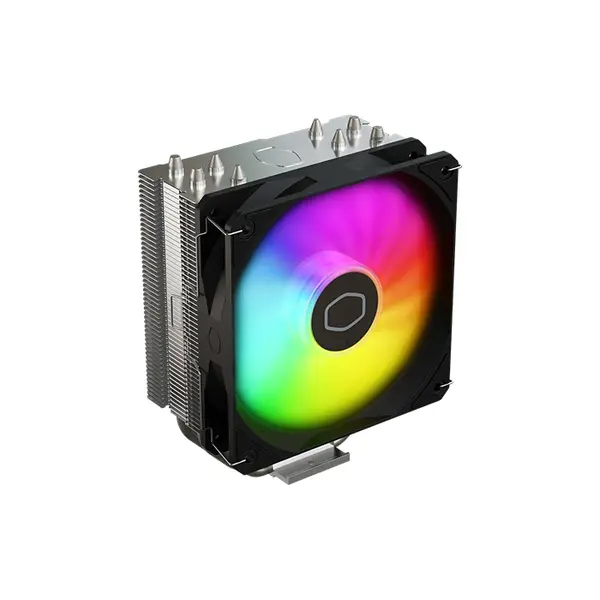
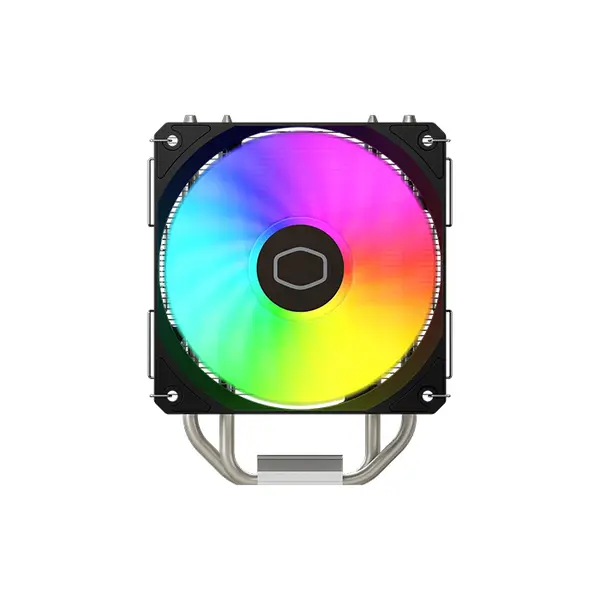
Air CPU Cooler Price in Pakistan
Compare air CPU cooler prices in Pakistan across cooling solutions designed for gaming PCs, everyday systems, workstations, and custom builds. Air coolers transfer processor heat through a heatsink and use one or more fans to move that heat into the surrounding airflow. Cooling capability varies significantly between models, so choose according to your processor, workload, cooler dimensions, fan configuration, case airflow, and compatibility requirements.
Single-Tower Air CPU Coolers
Single-tower coolers generally use one main heatsink tower combined with one or more fans. Different models vary in heatsink dimensions, heat-pipe configuration, fin design, fan size, noise characteristics, and cooling capability. A single-tower design should therefore be evaluated according to the requirements of the individual processor rather than CPU category or price tier alone.
Dual-Tower Air CPU Coolers
Dual-tower coolers use two heatsink sections and may include multiple fans depending on the model. Their larger physical dimensions can provide substantial heat-dissipation area, but cooling performance varies between individual products. Larger designs can also create additional clearance considerations around the motherboard, memory modules, graphics card area, and PC case.
Low-Profile CPU Coolers
Low-profile air coolers are designed for systems where vertical cooler clearance is limited, including some compact and small-form-factor builds. Their dimensions and cooling capabilities vary considerably between models. Check the cooler's total height, motherboard clearance, memory clearance, socket compatibility, and the cooling requirements of your processor before installation.
CPU Socket Compatibility
Before buying an air cooler, confirm that its mounting system supports your processor socket. Intel and AMD platforms use different socket and mounting arrangements, and support can vary between cooler models or revisions. Check the manufacturer's compatibility information rather than assuming that a cooler will fit because it physically appears suitable.
CPU Cooler Height & PC Case Clearance
Your PC case must provide sufficient space for the complete air cooler. Compare the cooler's listed height with the case's supported maximum CPU cooler height and consider any additional installation restrictions. Larger coolers may also extend over nearby memory slots, so RAM module height and fan positioning can be important when checking compatibility.
Heat Pipes, Heatsinks & CPU Cooler Fans
Air coolers can differ in heat-pipe count and arrangement, heatsink construction, contact design, fin density, fan dimensions, and fan configuration. These specifications can influence cooling behavior, but no single specification determines overall performance. Individual cooler design and operating conditions should be considered together when comparing models.
Air Cooler Performance & Case Airflow
An air CPU cooler operates as part of the PC's overall airflow system. Properly positioned cooling fans can bring cooler air into the case and exhaust heated air, while case design and component placement affect how efficiently that airflow reaches the CPU cooler. Even a capable air cooler can be affected by restricted case ventilation or unsuitable fan configuration.
Air Cooling vs AIO Liquid Cooling
Air coolers and AIO liquid coolers use different methods to transfer heat away from the processor. Their cooling performance, acoustics, dimensions, installation requirements, and prices vary between individual models. Instead of assuming that one cooling type is always better, compare specific coolers according to your processor requirements, available space, noise preferences, and overall PC configuration.
Choose an Air Cooler for Your Processor
Start with the cooling requirements and operating configuration of your processor, then check socket support and physical compatibility. Consider cooler dimensions, fan configuration, available case clearance, memory clearance, expected workloads, noise preferences, and the performance characteristics of the individual cooler before making a selection.
Buy Air CPU Coolers Online in Pakistan
Browse available air CPU coolers at Connect2Aryans and compare current prices, heatsink designs, dimensions, fan configurations, socket compatibility, and available models. Air CPU coolers are available for customers in Karachi, Lahore, Islamabad, Rawalpindi, Faisalabad, and other cities across Pakistan, with nationwide delivery options available.
Frequently Asked Questions About Air CPU Coolers
Are air CPU coolers suitable for gaming PCs?
Yes, an appropriately selected air cooler can be used in a gaming PC. The required cooling capability depends on the processor, its operating configuration, gaming workload, case airflow, ambient conditions, and the performance of the individual cooler.
How do I know if an air cooler will fit my case?
Compare the cooler's total height with the maximum CPU cooler height supported by your case. You should also check socket compatibility, motherboard layout, RAM clearance, fan positioning, and any other components located close to the CPU socket.
Should I buy a single-tower or dual-tower air cooler?
Choose according to the performance and compatibility of the individual cooler rather than tower count alone. Consider your processor's cooling requirements, available case space, RAM clearance, fan configuration, noise preferences, and the specifications of the models you are comparing.
Do air CPU coolers require maintenance?
Air coolers do not normally require complex routine maintenance, but dust can accumulate on heatsink fins and fans over time. Periodic cleaning and checking that the fan operates correctly can help maintain appropriate airflow and cooling performance.
Not sure which air cooler suits your build? Read our guide on choosing the right air cooler for more detailed buying advice.